Navigating the world of personal loans can feel like an uphill battle, especially when your credit score isn’t perfect. Traditional banks often have strict requirements, leaving many feeling like they have nowhere to turn when they need financial flexibility for an unexpected expense, a home improvement project, or to consolidate debt.

Fortunately, the financial landscape has evolved. Today, it’s possible to connect with a wide range of lenders who look beyond a single three-digit number. By leveraging a specialized network, you can unlock opportunities and find financing solutions tailored to your unique financial situation, regardless of your credit history.
Understanding How Your Credit Score Impacts Loan Approval
Before diving into the solutions, it’s helpful to understand the challenge. Lenders use credit scores, like the FICO score, as a quick way to assess the risk of lending money. A higher score generally indicates a history of responsible borrowing, making you a lower-risk candidate. This is why a high score often leads to better interest rates and more favorable terms.
The Hurdle of a Lower Credit Score
When your credit score is in the “fair” or “poor” range (typically below 670), traditional lenders may see you as a higher risk. This can result in an outright denial or an offer with a very high interest rate. They worry about the likelihood of the loan being repaid on time. This rigid approach can close doors for many deserving individuals who have the income and stability to handle a loan but have faced financial setbacks in the past.
Looking Beyond Just the Numbers
The good news is that many modern online lenders and financial networks understand that a credit score is just one piece of the puzzle. They have developed more sophisticated ways to evaluate an applicant’s ability to repay. These lenders often consider other crucial factors, such as:
- Your income and employment stability: A steady job and consistent income are strong indicators of your ability to make monthly payments.
- Your debt-to-income (DTI) ratio: This measures how much of your monthly income goes toward debt payments. A lower DTI is favorable.
- Recent financial history: Lenders may look at your recent payment history to see if you’ve been managing your finances well lately, even if you had past issues.
What Is a Lender Network and How Can It Help?
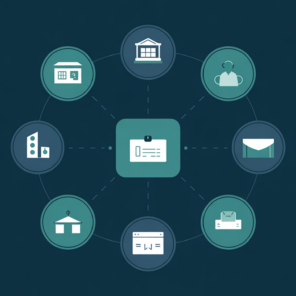
Imagine shopping for a loan without having to fill out a dozen different applications and risk multiple hard inquiries on your credit report. That’s the core benefit of a lender network or a loan connection service. Instead of applying to lenders one by one, you submit a single, simple online form. The network then shares your request with its pool of lending partners.
Key Benefits of Using a Loan Connection Service
This approach streamlines the borrowing process and offers several distinct advantages, particularly for those with less-than-perfect credit.
- Increased Approval Odds: Your application is seen by multiple lenders, including those who specialize in working with borrowers across the entire credit spectrum. This dramatically increases your chances of finding a lender willing to approve your request.
- Time and Effort Savings: There’s no need to research and apply to individual lenders. The network does the heavy lifting, potentially returning multiple offers for you to review in minutes.
- Access to a Wider Range of Lenders: These networks partner with diverse financial institutions, from online-only fintech companies to credit unions, giving you access to options you might not find on your own.
- Easy Offer Comparison: You can compare interest rates, loan terms, and monthly payments from different lenders side-by-side, empowering you to choose the best possible deal for your situation.
- Softer on Your Credit Score: The initial inquiry to see if you pre-qualify is typically a soft credit check, which does not impact your credit score. A hard inquiry only occurs after you select a specific offer and proceed with that lender.
Types of Personal Loans Available for Various Credit Profiles
Through a diverse network, you can find different types of loans designed to meet specific needs. The most common are unsecured personal loans, but other options may also be available depending on your circumstances.
Unsecured Personal Loans
This is the most popular type of personal loan. It’s called “unsecured” because it doesn’t require you to put up any collateral, like your car or house. The lender approves the loan based on your creditworthiness and ability to repay. These are versatile and can be used for almost any purpose, such as medical bills, debt consolidation, or a major purchase.
Secured Personal Loans
For those with very challenging credit, a secured loan might be an option. With this type of loan, you provide an asset (like a vehicle title or a savings account) as collateral. This reduces the lender’s risk, which can lead to a higher chance of approval and potentially a lower interest rate than a high-risk unsecured loan. However, it’s crucial to remember that if you fail to repay the loan, the lender can seize your collateral.
Comparative Loan Options
| Feature | Unsecured Personal Loan | Secured Personal Loan |
|---|---|---|
| Collateral Required | No | Yes (e.g., car, savings) |
| Typical APR Range | Wider range, higher for bad credit | Often lower due to reduced risk |
| Risk to Borrower | Impact on credit score if you default | Loss of collateral if you default |
| Best For | Borrowers with fair to excellent credit, or those without assets | Borrowers with poor credit who have an asset to offer |
Navigating the Application Process: A Step-by-Step Guide
Using a loan network is designed to be straightforward and user-friendly. While the exact steps can vary slightly, the process generally follows a clear path.
- Gather Your Information: Before you start, have your basic personal and financial information ready. This typically includes your Social Security number, proof of income (like pay stubs or bank statements), and your bank account details for funding.
- Complete One Online Form: You’ll fill out a secure form on the network’s website. This includes the loan amount you’re requesting, the purpose of the loan, and your income information.
- Receive and Compare Offers: If you pre-qualify, the network will present you with one or more loan offers from its partners. This is your chance to carefully review the details of each option.
- Select an Offer and Finalize: Choose the offer that best fits your budget and needs. You’ll then be directed to the lender’s website to complete the final application steps, which may include verifying your information and signing the loan agreement electronically.
- Receive Your Funds: Once everything is finalized and approved, the lender will deposit the funds directly into your bank account, often as quickly as the next business day.
What to Look for in a Loan Offer
Getting approved is exciting, but it’s vital to be a savvy borrower. Carefully examine every detail of a loan offer before you accept it. Understanding the core components of what a personal loan is will help you make an informed decision.
The Annual Percentage Rate (APR)
The APR is the most important number to consider. It represents the total annual cost of borrowing and includes not only the interest rate but also any fees, like an origination fee. A lower APR means a less expensive loan over time.
Loan Term and Repayment Schedule
The loan term is the length of time you have to repay the loan, typically ranging from 24 to 60 months or more. A longer term will result in lower monthly payments, but you’ll pay more in interest over the life of the loan. A shorter term means higher monthly payments, but you’ll pay less interest overall. Choose a term that results in a monthly payment you can comfortably afford.
Fees and Penalties
Read the fine print for any potential fees. Common ones to watch for include:
- Origination Fees: A fee some lenders charge for processing the loan, usually deducted from the loan amount you receive.
- Late Payment Fees: A penalty charged if you miss a payment due date.
- Prepayment Penalties: A fee some lenders charge if you pay off your loan early (these are less common now but still exist).
Finding Reputable Lenders for Challenging Credit Situations
When you have a low credit score, it can be tempting to jump at the first offer you receive. However, this is when it’s most important to be cautious and ensure you’re working with a legitimate and fair lender. Loan networks help by vetting their partners, but you should still do your due diligence. Avoid lenders who promise “guaranteed approval” or pressure you into signing immediately. Reputable platforms and lenders will be transparent about all terms and conditions. By using a network, you can more easily connect with reputable lenders for bad credit who are accustomed to working with your type of financial profile.
Frequently Asked Questions (FAQ)
It’s normal to have questions when seeking a loan. Here are answers to some common queries.
Can I get a loan with no credit check at all?
While some lenders advertise “no credit check loans,” most reputable lenders will perform at least a soft credit check to verify your identity and review your financial history. Be wary of true no-credit-check loans, as they are often predatory payday loans with extremely high fees and APRs.
How quickly can I get the funds?
One of the biggest advantages of online lending networks is speed. After you select an offer and are officially approved by the direct lender, many can deposit the funds into your checking account in as little as one to two business days.
Will applying through a network hurt my credit score?
The initial application through a loan network typically uses a soft inquiry, which does not affect your credit score. This allows you to see potential offers without any negative impact. A hard inquiry, which can temporarily lower your score by a few points, is only performed when you choose a specific loan offer and proceed with the direct lender’s final application. This process is beneficial for comparing personal loan options with minimal impact on your credit.
Taking the Next Step Towards Financial Flexibility
A challenging credit history no longer has to be a barrier to securing the funds you need. By understanding your options and leveraging the power of a modern lending network, you can connect with lenders who are willing to look at your full financial picture. This approach provides a clear, efficient, and accessible path to finding a personal loan.
Remember to borrow responsibly, always read the terms of any offer carefully, and choose a repayment plan that fits comfortably within your budget. With the right tools and information, you can take control of your finances and move forward with confidence.