
Navigating the world of personal finance can feel complex, but understanding your options is the first step toward making empowered decisions. As we look towards 2026, many people across the United States are considering personal loans as a flexible tool to consolidate debt, finance a large purchase, or handle unexpected expenses.
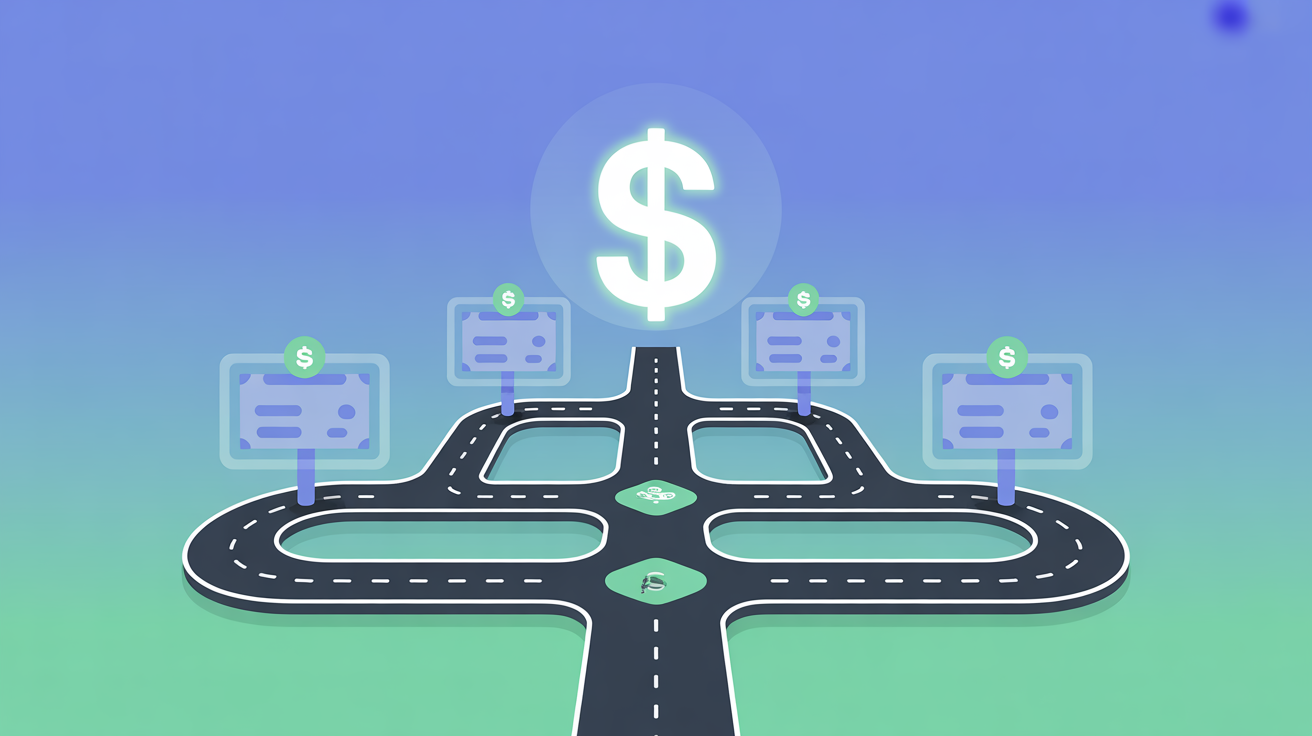
This guide will demystify the process of securing a personal loan in the US. We’ll break down how interest rates are determined, offer projections for the coming years, and provide a clear roadmap to help you find the most competitive and suitable loan for your unique financial situation.
What Are Personal Loans and Why Are They So Popular?
At its core, a personal loan is a type of installment loan. You borrow a lump sum of money from a lender—like a bank, credit union, or online platform—and agree to pay it back in fixed monthly payments over a set period, typically two to seven years. Most personal loans in the United States are unsecured, which means you don’t need to put up collateral like your car or home.
Their popularity stems from this very flexibility. Unlike a mortgage or auto loan, you can use the funds for almost anything. Some of the most common uses include:
- Debt Consolidation: Combining multiple high-interest debts (like credit cards) into a single loan with a potentially lower interest rate.
- Home Improvement: Funding renovations or repairs without tapping into home equity.
- Major Life Events: Covering costs for weddings, moving, or other significant expenses.
- Emergency Expenses: Handling unexpected medical bills or urgent car repairs.
Understanding Personal Loan Interest Rates in the US
When you see a lender advertise a rate, it’s crucial to understand what you’re looking at. The most important figure is the Annual Percentage Rate (APR). The APR includes not only the interest rate but also any fees associated with the loan, such as origination fees. This gives you a more accurate, all-in-one number for comparing offers from different lenders.
Most personal loans come with a fixed interest rate. This is a significant advantage for borrowers in the US, as it means your monthly payment will remain the same for the entire life of the loan. This predictability makes budgeting much easier compared to variable-rate products where payments can fluctuate.
Key Factors That Determine Your Personal Loan Rate
Lenders don’t just pick a rate out of thin air. They perform a detailed risk assessment for each applicant. Several key factors heavily influence the APR you’ll be offered. Understanding these can help you position yourself for the best possible rate.
Your Credit Score: The Most Important Factor
Your credit score is a numerical representation of your creditworthiness and the single most influential factor in determining your loan rate. Lenders use it to predict how likely you are to repay your debt on time. A higher score signifies lower risk, which translates to a lower interest rate.
Here’s a general idea of how credit scores can impact average personal loan APRs:
| Credit Score Range | Credit Rating | Estimated APR Range |
|---|---|---|
| 720 – 850 | Excellent | 8% – 15% |
| 690 – 719 | Good | 14% – 20% |
| 630 – 689 | Fair | 18% – 28% |
| 300 – 629 | Poor | 25% – 36% or higher |
Note: These are estimates and actual rates vary by lender and economic conditions.
Debt-to-Income (DTI) Ratio
Your DTI ratio compares your total monthly debt payments to your gross monthly income. Lenders use this to gauge your ability to handle another monthly payment. A lower DTI (ideally below 40%) shows that you have a healthy balance between debt and income, making you a more attractive borrower.
Loan Term and Amount
The length of your loan (the term) and the amount you borrow also play a role. A longer loan term might offer a more manageable monthly payment, but you’ll likely pay more in total interest over the life of the loan. Some lenders may also offer slightly better rates for larger loan amounts, but you should only ever borrow what you truly need.
Employment History and Income
Lenders want to see stability. A steady employment history and a reliable source of income demonstrate that you have the means to repay the loan. They will verify your income through pay stubs, tax returns, or bank statements.
A Look Ahead: Projecting Personal Loan Rates for 2026
Forecasting interest rates years in advance is challenging, but we can look at current economic trends to make educated projections. After a period of significant rate hikes by the Federal Reserve to combat inflation, many economists in the United States anticipate a period of stabilization or even gradual rate decreases as we move towards 2026.
However, rates are unlikely to return to the historic lows seen before the recent inflationary period. For borrowers, this means that while conditions may become more favorable than they are today, securing a competitive rate will still depend heavily on personal financial health. The best strategy is to focus on what you can control: improving your credit score and reducing your existing debt.
How to Find the Best Personal Loan for Your Needs
Finding the right loan is about more than just the lowest rate; it’s about finding the right fit for your financial goals. Follow these steps to navigate the process effectively.
Step 1: Assess Your Financial Health
Before you even start looking, know where you stand. Obtain a copy of your credit report (you can get one for free annually from the major bureaus in the US) and check your score. Calculate your DTI to see what lenders will see. If your numbers aren’t where you want them to be, consider taking a few months to improve them before applying.
Step 2: Compare Lenders and Offers
Don’t just go with the first offer you see. Explore different types of lenders to find the best fit:
- Traditional Banks: Good for existing customers who have a strong relationship with their bank.
- Credit Unions: Often offer lower rates and more flexible terms, especially for members.
- Online Lenders: Known for fast application processes and competitive rates, serving a wide range of credit profiles. You can use comparison sites to view some of the best personal loans available from various online providers.
The key here is pre-qualification. Most online lenders allow you to check your potential rate with a soft credit inquiry, which does not impact your credit score. This allows you to shop around and compare real APRs risk-free.
Step 3: Gather Your Documentation
To streamline your application, have your documents ready. You’ll typically need:
- Government-issued ID (e.g., driver’s license)
- Social Security number
- Proof of income (e.g., recent pay stubs, W-2s)
- Proof of address (e.g., utility bill)
- Bank account information
Knowing how to get a personal loan and having your paperwork in order can significantly speed up the approval and funding process.
Special Considerations: Loan Options for Different Scenarios
Not everyone fits the ideal borrower profile, but there are still options available. It’s important to understand the landscape for your specific situation.
Personal Loans for Bad Credit
If your credit score is in the “fair” or “poor” range, securing a loan can be more challenging, but it’s not impossible. You should expect to face higher interest rates and potentially smaller loan offers. Some lenders specialize in this area and may be more willing to work with you. Be cautious of “no credit check” loan promises, as these are often predatory. Instead, look for reputable lenders that offer personal loans for bad credit and consider options like applying with a creditworthy co-signer to improve your chances of approval.
Using Personal Loans for Debt Consolidation
This is one of the most powerful uses for a personal loan. If you’re juggling multiple credit card balances with high APRs, a debt consolidation loan can simplify your finances into one fixed monthly payment. If the APR on the personal loan is lower than the average rate on your credit cards, you can save a significant amount of money in interest and potentially pay off your debt faster.
Frequently Asked Questions (FAQ)
Can I get a personal loan with no credit check in the US?
While some predatory lenders, like payday lenders, advertise this, legitimate personal loan providers will always perform a credit check. The initial pre-qualification is a soft check that doesn’t hurt your score, but the final application requires a hard inquiry.
How quickly can I get a personal loan?
The timeline varies. Online lenders are often the fastest, with some capable of approving and funding a loan within the same or next business day. Traditional banks and credit unions may take several days to a week.
What is a typical personal loan term?
Loan terms in the United States generally range from 24 to 84 months (2 to 7 years). A shorter term means higher monthly payments but less total interest paid, while a longer term lowers your monthly payment but increases the total cost.
Your Next Steps to Securing the Best Rate
As you plan your financial moves for 2026, a personal loan can be a valuable asset when used responsibly. The keys to success are preparation and diligence. Focus on strengthening your credit profile, understanding your budget, and thoroughly comparing offers from multiple lenders.
By taking control of the process and arming yourself with knowledge, you can navigate the lending landscape with confidence and find the best option that empowers you to achieve your financial goals.