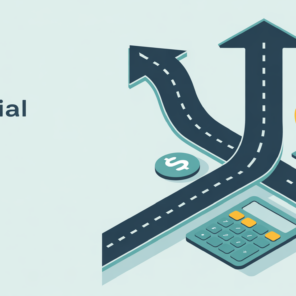
Juggling multiple credit card bills, a car payment, and other outstanding debts can feel like a stressful financial circus act. Each month brings a flurry of different due dates, varying interest rates, and the constant worry that you might miss something. It’s a common struggle, and it often leads people to search for a way to simplify their financial lives.
One of the most popular strategies to emerge from this search is debt consolidation using a personal loan. The idea is simple: you take out one new, larger loan to pay off all your smaller, high-interest debts. In theory, you’re left with a single monthly payment, a clear repayment timeline, and hopefully, a lower interest rate. But is this financial maneuver as beneficial as it sounds, or are there hidden risks to consider?
What Exactly is Debt Consolidation with a Personal Loan?
At its core, using a personal loan for debt consolidation is a financial streamlining tool. Instead of sending payments to three credit card companies and a medical bill, you consolidate those balances into one lump sum. You apply for a personal loan from a bank, credit union, or online lender for the total amount you owe.
If you are approved, the lender either gives you the cash to pay off your creditors yourself or, in some cases, sends the payments directly to them. The result is that your old debts are cleared, and you now owe the new lender. Your financial obligation is now to a single entity, with a fixed interest rate and a set repayment term, which typically ranges from two to seven years.
The Potential Advantages: Why It Can Be a Smart Move
For many people, this strategy offers a clear path out of debt and provides significant benefits that can reduce stress and save money.
A Single, Simplified Monthly Payment
The most immediate benefit is simplicity. Managing one payment is far easier than tracking several. This drastically reduces the chance of a late payment, which can harm your credit score and incur hefty fees. The psychological relief of having a single, predictable bill each month can be a powerful motivator to stick to your budget.
Potentially Lower Interest Rates
The primary financial incentive for debt consolidation is securing a lower interest rate. Credit cards, especially store cards, often carry annual percentage rates (APRs) of 20% or higher. A personal loan for someone with a good credit score might have an APR in the single digits or low teens. This difference can translate into hundreds or even thousands of dollars saved in interest over the life of the loan.
A Fixed Repayment Schedule
Unlike credit cards, which operate on a revolving basis and can keep you in debt for decades if you only make minimum payments, a personal loan is an installment loan. This means you have a fixed term—a specific number of months to pay it off. This provides a clear “light at the end of the tunnel.” You know exactly when your debt will be fully paid off, which is a powerful goal to work towards.
The Risks and Downsides to Consider
While the benefits are compelling, a debt consolidation loan is not a magic wand. It’s a financial tool that carries its own set of risks that must be carefully evaluated before you commit.
It Doesn’t Solve a Spending Problem
This is the most critical point. A personal loan can rearrange your debt, but it does not address the underlying spending habits that created the debt in the first place. If you consolidate your credit card debt but then immediately start charging new purchases to those now-empty cards, you will end up in a much worse financial position, saddled with both the new loan and fresh credit card balances.
Upfront Fees and Costs
Many personal loans come with an origination fee, which is a percentage of the total loan amount (typically 1% to 8%). This fee is usually deducted from the loan proceeds before you receive them. For example, on a $15,000 loan with a 5% origination fee, you would only receive $14,250 but would be responsible for repaying the full $15,000. You must factor this cost into your calculations to ensure you are still saving money.
The Interest Rate Isn’t Guaranteed to Be Lower
Your eligibility for a low-interest personal loan is almost entirely dependent on your credit score and financial history. If you have fair or poor credit, the interest rate offered to you might be no better—or even higher—than what you’re currently paying on your credit cards. In this scenario, consolidation would only simplify your payments without offering any real financial savings.
Is a Personal Loan for Debt Consolidation Right for You?
To determine if this is the right move for your situation, ask yourself the following questions honestly:
- What is my credit score? A score above 670 generally gives you a good chance of qualifying for a loan with a favorable interest rate.
- What are the interest rates on my current debts? List all your debts and their APRs. You will only save money if the new loan’s APR is significantly lower than the weighted average of your existing debts.
- Am I disciplined enough to stop using my credit cards? You must commit to changing your spending habits. If you can’t, consolidation is not the answer.
- Can I comfortably afford the new monthly payment? The new loan payment must fit within your budget without causing financial strain.
A Step-by-Step Guide to the Process
If you’ve weighed the pros and cons and decided to move forward, follow these steps to ensure a smooth process.
Step 1: Assess Your Total Debt and Budget
First, add up the balances of all the debts you want to consolidate. Be precise. Next, review your monthly budget to determine the maximum payment you can comfortably afford. Using a personal loan calculator can help you estimate potential monthly payments based on different loan amounts, terms, and interest rates.
Step 2: Check Your Credit Score and Report
Knowing your credit score will give you a realistic idea of the interest rates you might be offered. Pull your credit report and check it for any errors that could be dragging your score down. Dispute any inaccuracies before you start applying for loans.
Step 3: Shop Around and Compare Lenders
Do not accept the first offer you receive. Compare rates, fees, and terms from multiple sources, including traditional banks, local credit unions, and online lenders. Many online platforms allow you to pre-qualify, which shows you potential offers with only a soft credit check that won’t impact your score. This is the best way to compare debt consolidation loans and find the most competitive option for your profile.
Step 4: Apply for the Loan
Once you’ve chosen a lender, you’ll complete a formal application. This will require documentation like proof of income (pay stubs, tax returns), bank statements, and personal identification. This step will trigger a hard inquiry on your credit report.
Step 5: Pay Off Your Old Debts
This is the most important step. Once the loan is funded, use the money immediately to pay off every single debt you intended to consolidate. Do not use the funds for anything else. Close some of the old credit card accounts if you feel tempted to use them, but consider keeping your oldest account open (without a balance) to help your credit history length.
Comparing Alternatives to a Personal Loan
A personal loan isn’t the only way to consolidate debt. Here’s how it stacks up against other common methods:
| Method | Best For | Pros | Cons |
|---|---|---|---|
| Personal Loan | Consolidating moderate to large debt with a clear end date. | Fixed rate; predictable payments; no collateral needed. | Origination fees; requires good credit for low rates. |
| Balance Transfer Card | Smaller debt amounts you can pay off during the 0% APR intro period. | 0% interest for 12-21 months. | Balance transfer fees; very high APR after intro period. |
| Home Equity Loan/HELOC | Homeowners with significant equity and large amounts of debt. | Very low interest rates. | Uses your house as collateral; risk of foreclosure if you default. |
| Debt Management Plan (DMP) | People who are struggling to make payments and need professional help. | Work with a credit counseling agency; may lower rates. | Monthly fees; usually requires closing credit accounts. |
The Final Verdict: Making an Informed Decision
So, is using a personal loan for debt consolidation worth it? The answer is a qualified yes. For the right person in the right situation, it can be an incredibly effective strategy to save money, simplify finances, and get on a clear, structured path to becoming debt-free.
It is worth it if you have a good credit score, can secure a loan with a lower APR than your existing debts, and—most importantly—have the discipline to curb the spending that led to the debt. It’s crucial to fully understand the mechanics of debt consolidation before proceeding. It’s not a quick fix, but a strategic transfer of debt. When executed responsibly, it can be the first major step toward achieving long-term financial health and peace of mind.